The Workstation Blog
All Posts
Hands-on guides to AI infrastructure, MLOps, models, and shipping to production.

Efficient DevOps Automation for Technology Startups
Learn how technology startups can implement efficient DevOps automation with CI/CD pipelines, containerisation, infrastructure as code, and observability to ship faster and scale confidently.
 WorkstationRead

DGX OS Explained: NVIDIA's Operating System for AI
A deep dive into NVIDIA DGX OS, the purpose-built operating system for AI workloads. Learn what it includes, how it differs from standard Ubuntu, and whether your team needs it.
WorkstationRead 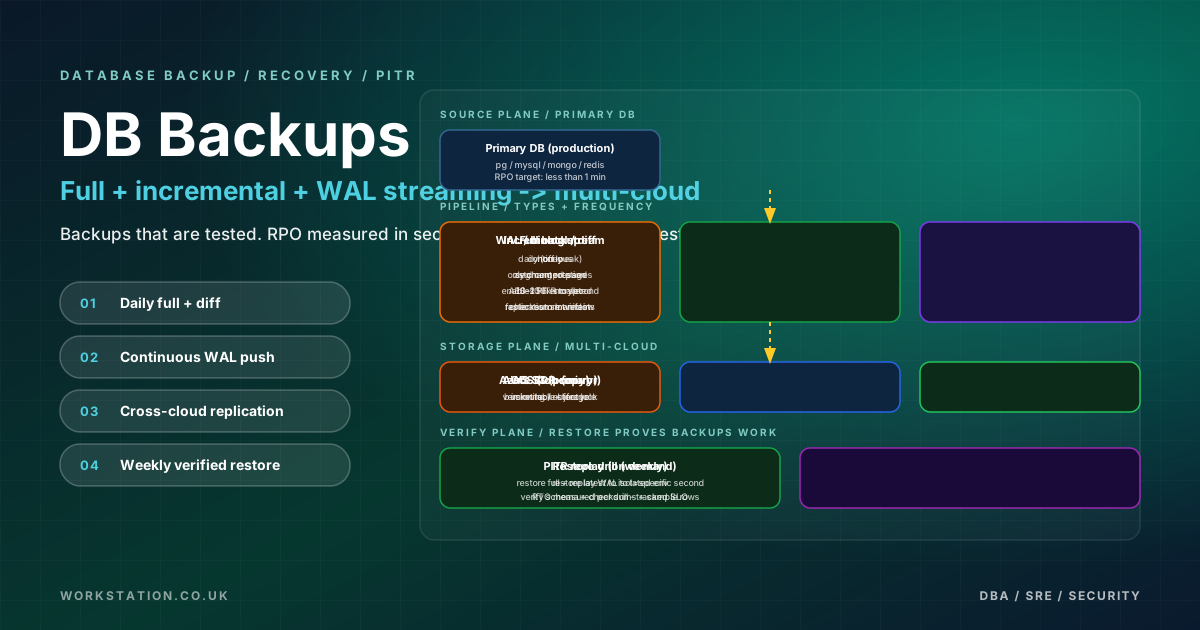
Production Database Backup Strategies That Actually Work: MySQL and PostgreSQL
Battle-tested database backup strategies for MySQL and PostgreSQL in production. Covers physical and logical backups, PITR, WAL archiving, automated scheduling, cloud storage, and disaster recovery across AWS, Azure, GCP, and k3s.
WorkstationRead 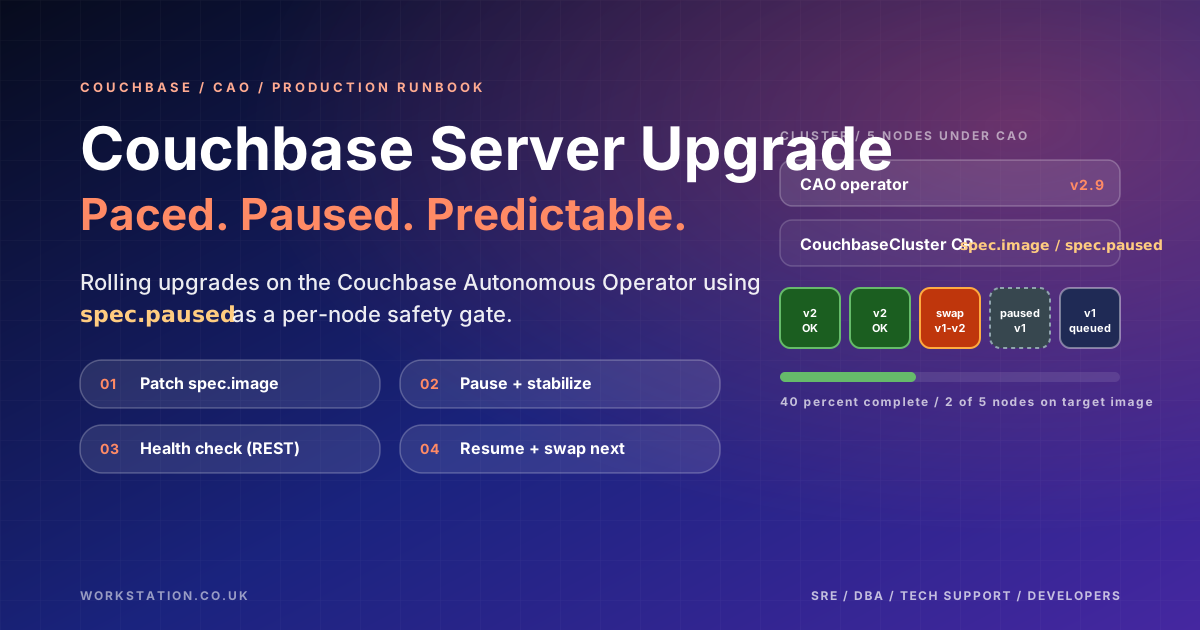
Couchbase upgrades with CAO pause gates: a support-friendly overview
A support-friendly, SRE-ready overview of Couchbase Server rolling upgrades under the Couchbase Autonomous Operator (CAO), using spec.paused to gate swap-rebalance one node at a time—so you can stabilize, validate health, and keep rollback options open.
WorkstationRead 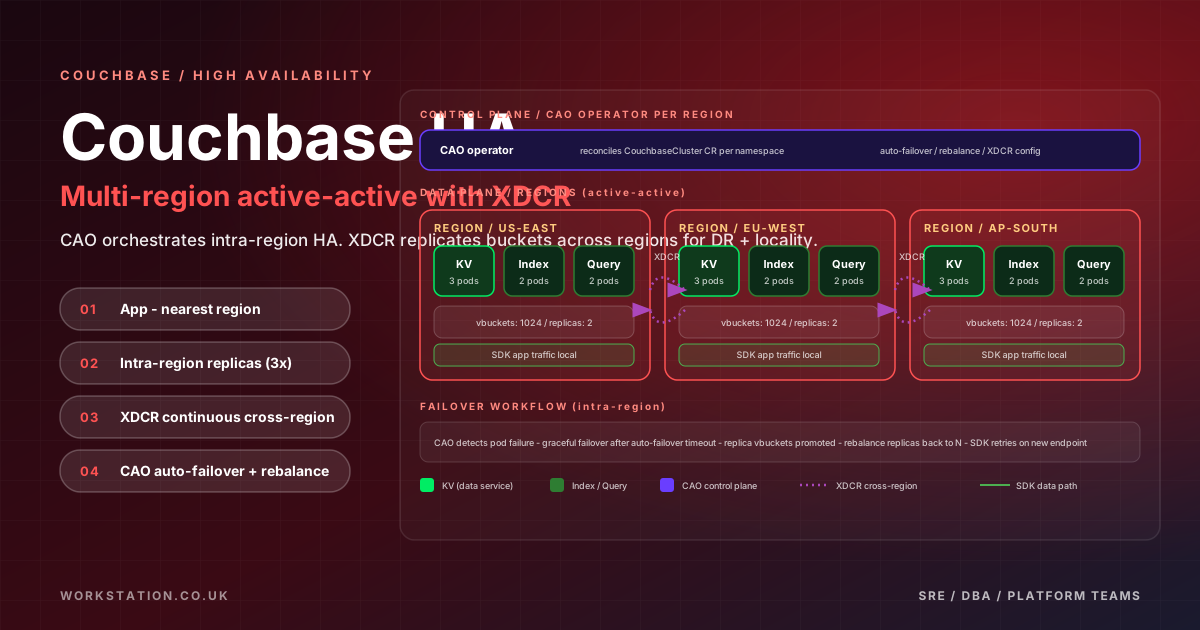
Couchbase High Availability in Production: XDCR, Kubernetes Operator, and Multi-Region Deployment
Complete guide to running Couchbase Server in high availability production environments with XDCR multi-region replication, Couchbase Autonomous Operator on Kubernetes, across AWS, Azure, GCP, and bare metal k3s with Rancher.
WorkstationRead Cloud vs On-Premise AI: Which Infrastructure Is Right for You?
Should you run AI workloads in the cloud or invest in on-premise hardware? We break down the total cost of ownership, data sovereignty, latency, scalability, and hybrid approaches to help you decide.
WorkstationRead 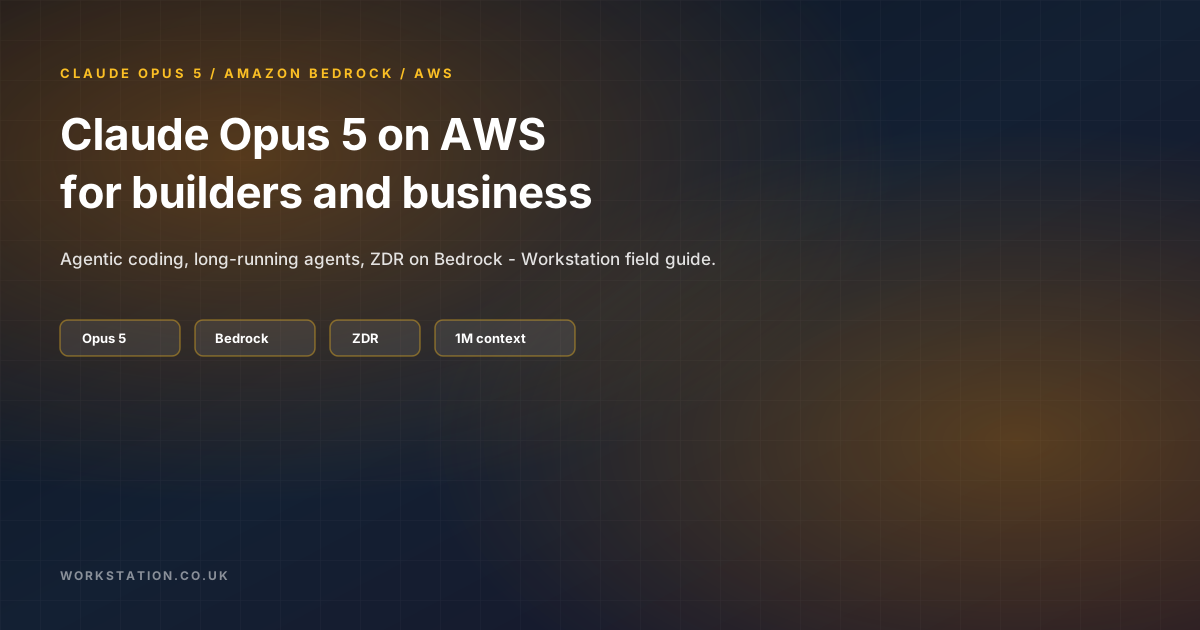
Claude Opus 5 on AWS: Workstation Guide for Builders & Business
Workstation take on Claude Opus 5 on Amazon Bedrock: agentic coding, long-running agents, 1M context, ZDR by default, and how teams should adopt it.
WorkstationRead 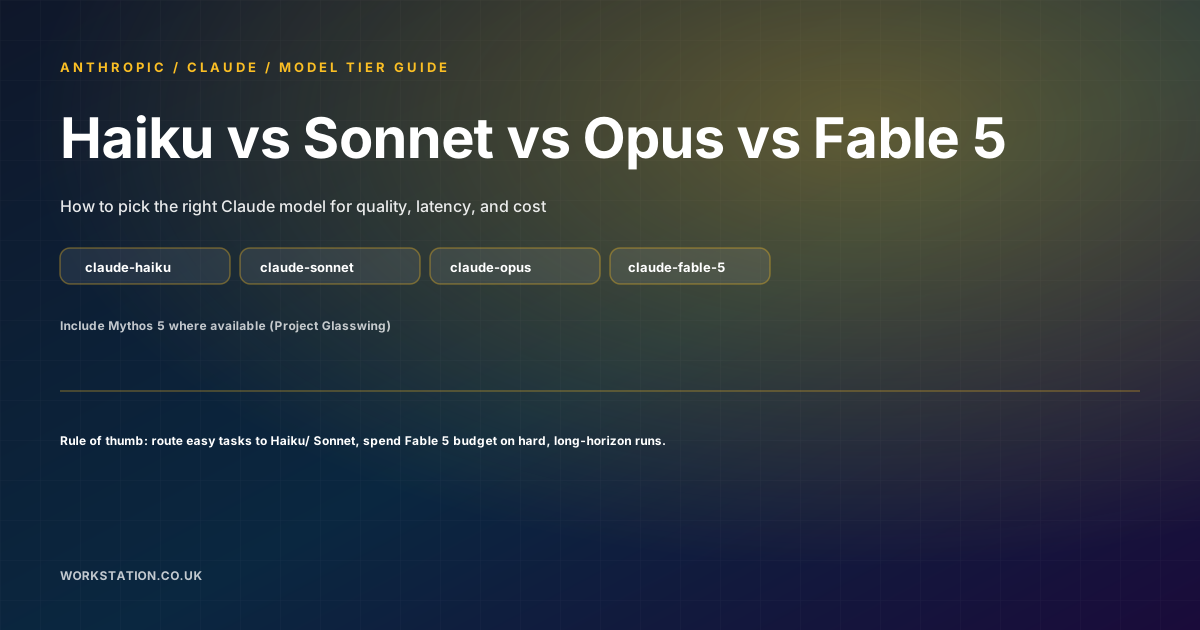
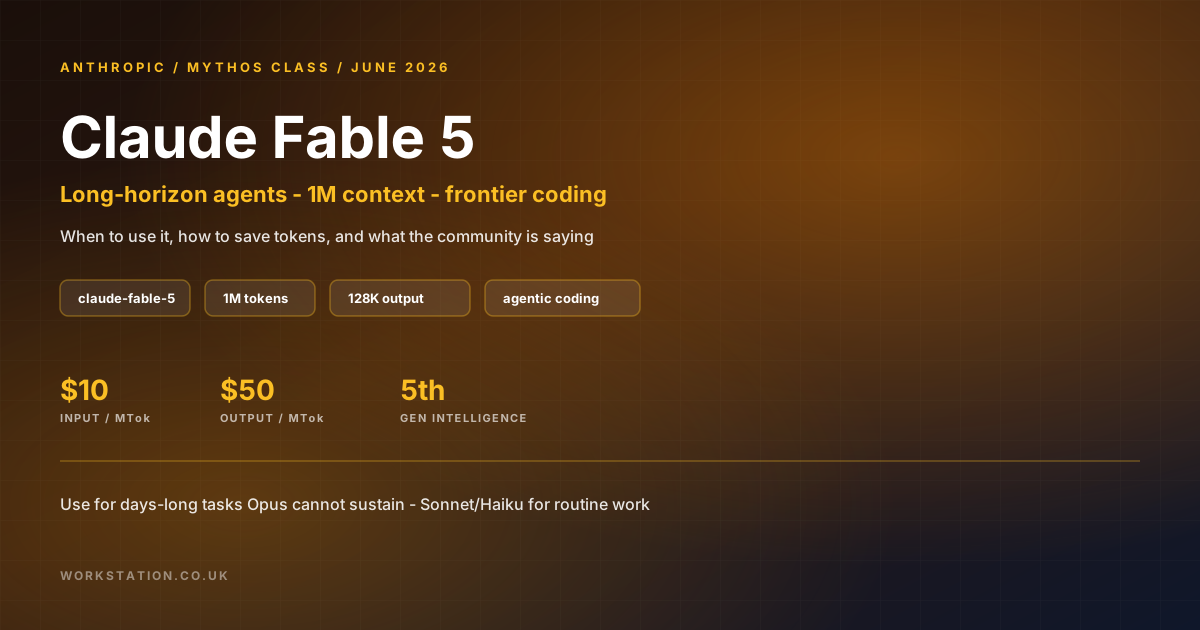
Claude Models Compared: Haiku vs Sonnet vs Opus vs Fable 5 (Mythos 5)
Choose the right Claude model tier: Haiku for fast routing, Sonnet for daily work, Opus for complex agentic coding, and Fable 5 for long-horizon autonomy. Includes a token-budget router blueprint.
WorkstationRead